
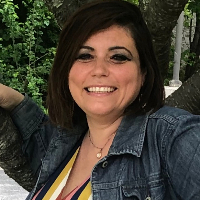
Josephine Olson
Relationship-focused clinician who emphasizes practical change
LPC Virginia
- Experience
- 15 years in practice
- Focus areas
- Stress, Anxiety, Relationship, Trauma and abuse
- Approaches
- Gottman Method, Attachment-Based Therapy
- Languages
- English
About Josephine
Josephine Olson is an LPC with 15 years of clinical experience working in Virginia. She focuses on practical support for people facing stress, anxiety, mood concerns, trauma, relationship issues, and life changes.
Background and approach
Josephine uses a blend of approaches to help clients find tools that fit their lives. She describes a straightforward, empathetic style in sessions.
Conversations aim to identify what feels most overwhelming and to build small, doable steps toward relief. Josephine listens for patterns tied to attachment, codependency, or abandonment and then helps people test new ways of coping.
Her background includes work with trauma and abuse, addiction, grief, bipolar disorder, eating concerns, and self-harm. She also addresses parenting strain, family problems, career stress, compassion fatigue, and ADHD-related challenges.
That range means she often focuses on symptom management alongside relationship and emotional work. Josephine draws on methods that center emotional connection and present-moment change.
She uses tools from the Gottman Method and attachment-based ideas to understand relationship patterns. She also incorporates client-centered skills and elements of dialectical behavior therapy to teach coping strategies.
People who do best with her approach are looking for practical techniques plus space to talk through painful experiences. Sessions move at the client’s pace and prioritize clarity about next steps.
Josephine works with English-speaking clients and sees people from across Virginia and beyond.
How these approaches translate to online care
Gottman Method ideas focus on patterns in relationships - identifying communication habits and teaching practical skills to reduce conflict and build connection. This approach can help people who want clearer ways to talk, manage arguments, and rebuild trust.Attachment-Based Therapy looks at how early bonds influence current emotions and behavior. Working from this perspective involves noticing connection needs and practicing new responses to worry, fear, or abandonment concerns.
Finding the right approach is part of the work. The therapist collaborates with each person to choose which ideas to use based on their needs, goals, and preferences. That might mean trying one method for a few sessions and adjusting as progress becomes clear.
Online formats make these methods practical across different situations. Video calls allow focused conversation and visual cues for exercises. Phone sessions are useful when bandwidth or screen time is limited. Live chat and text-based messaging support quick check-ins, practice between sessions, and shorter moments of coaching. These options give flexibility so therapy can fit work schedules, caregiving duties, or travel.
Frequently asked questions
What concerns does she help with?
What is her therapeutic style like?
How much clinical experience does she have?
What credentials and location are listed?
Which languages and international clients are supported?
What session formats are available?
How are costs and payment handled?
How do I begin therapy with her?
Areas of expertise
Primary focus
Also works with
Additional focus areas
Therapeutic approaches
Experience
15+ years
Licensed in
Virginia
Languages
English