
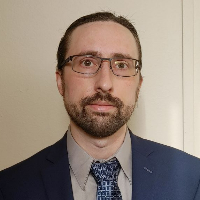
Steven Smith
Relationship-focused therapist helping individuals navigate change
LMFT California
- Experience
- 10 years in practice
- Focus areas
- Stress, Anxiety, Relationship, Trauma and abuse
- Approaches
- Gottman Method, Client-Centered Therapy
- Languages
- English
About Steven
Steven Smith is a licensed marriage and family therapist practicing in California. He focuses on relationships, stress, anxiety, depression, trauma, and substance concerns.
Background and approach
Steven also helps people facing issues with intimacy, parenting pressures, ADHD, grief, and identity questions. He uses an approach that centers the person in front of him.
Sessions begin by listening closely to what matters most to the client. Goals are shaped together so work in therapy matches real life needs.
Steven draws on the Gottman Method when addressing relationship patterns and communication habits. He blends that with client-centered work and existential ideas to help people find meaning and make clearer choices.
Mindfulness and motivational interviewing are tools he often brings into sessions. Mindfulness helps with grounding during stress and anxiety.
Motivational interviewing supports change when someone feels stuck or uncertain about next steps. With ten years of clinical experience and a California Licensed Marriage and Family Therapist credential, he has worked with a wide range of concerns.
People meet him for short-term problem-focused work or longer exploration of life direction and coping skills.
Approaches for relationships and personal change online
Steven frequently uses the Gottman Method to address relationship patterns and improve communication between partners; this approach focuses on practical exercises and clearer dialogue to reduce conflict and build connection. He also uses Client-Centered Therapy which emphasizes listening, empathy, and working at the client’s pace to set meaningful goals and make changes that fit everyday life. Existential Therapy appears in his work when people are wrestling with life direction, meaning, or big decisions; it helps name values and clarify choices.Finding the right mix of approaches is a collaborative process. The therapist will talk with each person about goals, preferences, and what feels most useful, then tailor sessions to those needs. Together they decide which methods to try and adjust them as progress is made.
Online formats include video calls, phone sessions, live chat, and text-based messaging to fit different schedules and needs. Video can be useful for full sessions and visual cues. Phone works well when bandwidth is limited or when a shorter check-in is needed. Live chat and text allow brief updates, reflections, and flexible communication between appointments. These options make it easier to keep continuity of care while juggling work, parenting, and daily life.
Frequently asked questions
What concerns does Steven commonly address?
How would you describe his therapy style?
What kind of clinical background does he have?
What are his credentials and where is he based?
Which languages are sessions offered in?
What session formats are available?
How does pricing work for sessions?
How do I begin working with him?
Areas of expertise
Primary focus
Also works with
Additional focus areas
Therapeutic approaches
Experience
10+ years
Licensed in
California
Languages
English