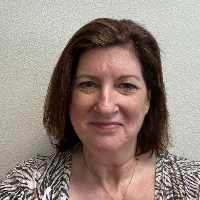
Earl Barrios
LPCCCalifornia
- 38 years in practice
Stress, Anxiety · Relationship · Family · +8
See profileThe therapist listings come from BetterHelp. We will earn a commission if you sign up through our link, at no cost to you.
Welcome to our directory of online therapists serving California. All therapists listed here are licensed in California and list Gottman approaches among their work. Explore the profiles below to compare credentials, languages, and therapy styles to find a good match.
California
Stress, Anxiety · Relationship · Family · +8
See profileCalifornia
Stress, Anxiety · Addictions · Relationship · +16
See profileCalifornia
Stress, Anxiety · Addictions · Trauma and abuse · +14
See profileCalifornia
Stress, Anxiety · Addictions · Relationship · +12
See profileCalifornia
Stress, Anxiety · Trauma and abuse · Grief · +13
See profileCalifornia
Relationship · Family · Trauma and abuse · +13
See profileCalifornia
Trauma and abuse · Intimacy-related issues · Bipolar · +10
See profileCalifornia
Stress, Anxiety · Relationship · Intimacy-related issues · +2
See profileCalifornia
Stress, Anxiety · LGBT · Relationship · +12
See profileCalifornia
Stress, Anxiety · Trauma and abuse · Grief · +1
See profileCalifornia
Relationship · Family · Intimacy-related issues · +10
See profileCalifornia
Stress, Anxiety · Grief · Self esteem · +10
See profileCalifornia
Stress, Anxiety · Relationship · Family · +14
See profileCalifornia
Stress, Anxiety · Relationship · Family · +13
See profileCalifornia
Stress, Anxiety · Relationship · Family · +2
See profileCalifornia
Stress, Anxiety · Relationship · Grief · +17
See profileCalifornia
Stress, Anxiety · Family · Depression · +17
See profileCalifornia
Stress, Anxiety · Trauma and abuse · Grief · +15
See profileCalifornia
Stress, Anxiety · Trauma and abuse · Anger · +14
See profileCalifornia
Stress, Anxiety · Relationship · Trauma and abuse · +16
See profileOnline therapy in California has become a common option for people looking for flexible sources of support. Because California law requires that clinicians practicing with California residents hold a California license, many clinicians who offer remote sessions maintain licensure within the state. You will encounter a range of licensed professionals who list Gottman approaches among their work alongside other therapy styles. Those profiles often include information about education, license type, languages spoken, and focus areas so you can learn more before you reach out.
Telehealth rules and insurance policies evolve, but the basic structure remains consistent - clinicians who work with Californians are accountable to California licensing boards. That accountability means you can look up a clinician's license through official state resources and review the public record. Online therapy offers the ability to connect with clinicians across geographic regions within California, so you are not limited to providers in your immediate neighborhood.
When you choose online therapy you can save time on commuting, which is especially useful in cities with heavy traffic or for people who balance work, caregiving, or school. Remote sessions let you fit therapy into a weekday lunch hour or an evening without the need to travel. For Californians living in rural or inland areas where specialty clinicians are less common, online options expand the pool of practitioners who list specific approaches or language fluency that matter to you.
Online therapy can make it easier to maintain continuity of care if you move within the state or have variable schedules. If mobility, chronic pain, or transportation are barriers, remote sessions reduce the strain of travel. You may also find clinicians who list experience working with certain life stages or identities, which helps you find a clinician whose perspective aligns with your needs. While online therapy removes some logistical barriers, it is still important to confirm a clinician's California licensure and to choose an environment at home that supports focus and privacy.
Online therapists in California work with a broad spectrum of concerns, including relationship and couples challenges, anxiety, depression, grief, life transitions, parenting questions, and workplace stress. Many clinicians list Gottman approaches when they work with couples, and you will also find clinicians who list cognitive-behavioral, psychodynamic, mindfulness-based, or trauma-informed approaches among their methods. If you seek care for trauma-related symptoms, you may find clinicians who list EMDR among their approaches; that listing does not, by itself, verify specific training, so you can ask about their experience and how they integrate methods into care.
Some clinicians focus on specific populations such as new parents, LGBTQ+ individuals, military families, adolescents, or older adults. Others emphasize particular concerns like mood regulation, communication skills, or co-parenting after separation. Online formats are used for individual therapy, couple work, and some forms of group therapy, which gives you flexibility to choose a format that fits your situation.
Verifying a clinician's license is an important step when you are researching online therapists. In California, marriage and family therapists, clinical social workers, and professional clinical counselors are regulated by the California Board of Behavioral Sciences, while psychologists are regulated by the California Board of Psychology. You can search those boards' public license lookup tools by entering the clinician's name or license number to confirm their current license status. The public record typically shows license type, license number, issue and expiration dates, and whether any disciplinary actions have been recorded.
When you view a license record, take note of the license designation such as Licensed Marriage and Family Therapist (LMFT), Licensed Clinical Social Worker (LCSW), Licensed Professional Clinical Counselor (LPCC), or Licensed Psychologist (PhD or PsyD). If a profile lists someone as an associate or intern rather than a full licensee, that status will often be reflected in public records. Checking the public record also helps you confirm that the clinician is authorized to practice in California and whether there are any public sanctions or limitations. If you have questions about what you find, you can contact the licensing board for clarification.
Getting started with online therapy is easier when you plan a few practical details in advance. Think about the goals you want to address, whether you prefer a clinician who lists particular approaches, and whether language or cultural background matters in your care. Check whether your insurance covers telehealth visits in California or whether you will use self-pay arrangements. Prepare a reliable internet connection, a headset or good speakers if possible, and a quiet spot where you can speak openly and focus.
Choosing a therapist is often about how comfortable you feel working with that person. Read profiles carefully to learn about credentials, stated specialties, and languages spoken. Many clinicians note their approach style and populations they commonly work with; for example, you might find clinicians who list Gottman approaches alongside emotion-focused or systemic work. Consider what matters most to you - communication style, cultural competence, experience with your particular concern, or shared language - and use an initial session to assess fit. During early sessions you can ask about the therapist's experience working with your issue, how they typically structure sessions, their approach to progress, and practical matters such as session length and fees.
You do not need to commit long-term on the first contact. If after a few sessions you feel the approach is not a good match, it is reasonable to look for another clinician whose profile better aligns with your goals. Asking clear questions about credentials, licensure, languages offered, and typical approaches can help you make an informed choice. Also ask how the clinician handles emergencies or crisis situations and whether they will help you connect with local resources when needed. Taking these steps helps you find a clinician who meets both your logistical needs and the therapeutic style that supports your work.
Online therapy in California gives you access to a wide range of licensed clinicians who list diverse approaches, including Gottman work for couples. By verifying licensure through state boards, preparing for your first online sessions, and evaluating fit based on credentials, language, and approach, you can make a thoughtful choice about who to work with. Take your time reviewing profiles and trust your judgment as you begin the process of finding a therapeutic relationship that supports the goals you came here to address.
Addictions
968 therapists
ADHD
858 therapists
Anger
1140 therapists
Bipolar
801 therapists
Chronic Illness
463 therapists
Chronic Pain
463 therapists
Compulsion
597 therapists
Control Issues
965 therapists
Depression
1471 therapists
Domestic Violence
652 therapists
Eating Disorders
480 therapists
Grief
1237 therapists
Guilt and Shame
1263 therapists
Impulsivity
777 therapists
Intimacy Issues
1069 therapists
Isolation / Loneliness
1146 therapists
Midlife Crisis
924 therapists
Mood Disorders
967 therapists
Obsession
597 therapists
OCD
597 therapists
Panic Disorder and Panic Attacks
925 therapists
Phobias
490 therapists
Post-Traumatic Stress
1119 therapists
Postpartum Depression
614 therapists
Self Esteem
1466 therapists
Sexual Trauma
617 therapists
Sleeping Disorders
534 therapists
Social Anxiety and Phobia
1099 therapists
Stress & Anxiety
1597 therapists
Trauma and Abuse
1374 therapists
Abandonment
941 therapists
Adoption
418 therapists
Aging and Geriatric Issues
560 therapists
Attachment Issues
1091 therapists
Blended Family Issues
867 therapists
Body Image
693 therapists
Career
1014 therapists
Caregiver Issues and Stress
900 therapists
Codependency
955 therapists
Commitment Issues
852 therapists
Communication Problems
1453 therapists
Compassion Fatigue
876 therapists
Coping with Life Changes
1361 therapists
Divorce
1211 therapists
Family
1304 therapists
Family of Origin Issues
884 therapists
Fatherhood Issues
597 therapists
Fertility Issues
334 therapists
First Responder Issues
507 therapists
Forgiveness
1212 therapists
Foster Care
418 therapists
Hospice and End-of-Life Counseling
420 therapists
Infidelity
952 therapists
Jealousy
791 therapists
Life Purpose
1297 therapists
Money and Financial Issues
611 therapists
Parenting
1127 therapists
Pregnancy
487 therapists
Relationship
1566 therapists
Self-Love
1250 therapists
Separation
1211 therapists
Sexuality
615 therapists
Workplace Issues
1017 therapists