
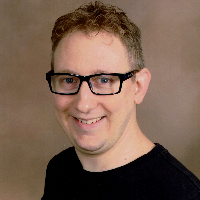
Ryan Plasch
Relationship-focused counselor who uses practical tools
LPCC Minnesota
- Experience
- 6 years in practice
- Focus areas
- Relationship, Grief, Parenting
- Approaches
- Gottman Method, Acceptance and Commitment Therapy (ACT)
- Languages
- English
About Ryan
Ryan Plasch is a licensed professional clinical counselor (LPCC) based in Minnesota who helps people navigate relationship struggles, grief, parenting strains, anger, depression, anxiety, and stress. He works with adults and with couples, using a straightforward and approachable style.
Background and approach
Clients can expect a warm, down-to-earth presence and a practical focus on real change. He often uses ideas from the Gottman Method alongside cognitive behavioral approaches to repair communication and rebuild connection.
He also draws on acceptance and commitment work and emotion-focused ideas to help people notice what matters to them and act toward it. Sessions mix listening, skill practice, and clear steps to try between meetings.
Ryan pays attention to thought patterns that keep people stuck. He helps identify critical self-talk and repetitive cognitive loops, then replaces them with actions that match a person’s values.
Humor and creative problem solving are part of his toolbox to make progress feel doable. For couples, he focuses on closing emotional and physical distance after big life changes such as infertility, postpartum transitions, and grief.
He supports partners in repairing attachment and improving sexual and emotional connection while clarifying shared family goals. He brings personal experience with male infertility, miscarriage, and parenting, which informs his understanding of those challenges.
His approach aims to be practical, compassionate, and goal-oriented to help people move forward.
Therapeutic approaches and online care
Ryan blends the Gottman Method with cognitive and acceptance-based work to help people and couples reconnect and manage challenging feelings. The Gottman Method focuses on improving communication, reducing conflict cycles, and rebuilding emotional and physical connection between partners. Cognitive Behavioral Therapy, or CBT, helps identify unhelpful thought patterns and replace them with practical behavior changes that reduce symptoms like anxiety and depression. Acceptance and Commitment Therapy, or ACT, encourages noticing painful thoughts without getting driven by them while committing to actions that match personal values.Choosing the right approach is part of the process. He collaborates with each person to figure out which methods fit their goals and preferences, adjusting the plan as progress unfolds. Goals are set together and revisited to keep work relevant and focused.
Online sessions are offered by video calls, phone sessions, live chat, or text-based messaging to make therapy more flexible. Video calls allow for face-to-face interaction and skill practice, phone sessions can be easier when bandwidth is limited, live chat works well for brief check-ins, and text-based messaging supports ongoing reflection between meetings. These options help people fit therapy into busy schedules and varying needs.
Frequently asked questions
What concerns does he commonly address?
How would you describe his therapy style?
What is his professional background?
What credentials and location information are on file?
Which languages and international options are supported?
What session formats are available?
How is cost handled?
How do I begin working with him?
Areas of expertise
Primary focus
Also works with
Additional focus areas
Therapeutic approaches
Experience
6+ years
Licensed in
Minnesota
Languages
English