
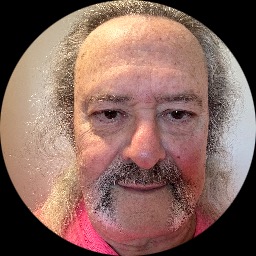
Mark Sikora
Relationship-focused LICSW with 40 years' experience
LICSW Washington
- Experience
- 40 years in practice
- Focus areas
- Relationship, Family, Trauma and abuse
- Approaches
- Gottman Method, Acceptance and Commitment Therapy (ACT)
- Languages
- English
About Mark
Mark Sikora is a licensed independent clinical social worker (LICSW) in Washington with four decades of experience. He aims to help people who are feeling overwhelmed by depression, anxiety, grief, or big life changes.
Background and approach
He speaks plain language and offers steady support as clients take steps toward more satisfying days. Mark focuses on relationships, trauma and abuse, and mood concerns including bipolar disorder.
He also helps with stress, addictions, intimacy-related issues, sleep and eating concerns, and work or career challenges. Parenting strain, caregiver stress, and blended family issues are part of his experience as well.
In sessions he treats the person as the expert in their own life and looks for strengths to build on. Conversations are practical and grounded.
He listens for what matters most and helps clients try small changes that feel manageable. Mark draws on several evidence-based approaches to shape sessions, including Gottman Method work for relationship patterns, Acceptance and Commitment Therapy to clarify values and action, and Cognitive Behavioral Therapy for thinking and behavior shifts.
He also uses client-centered and Dialectical Behavior Therapy ideas when they fit. With many years of practice, he brings experience handling complex or co-occurring problems such as chronic illness, codependency, attachment concerns, and coping after disasters.
His goal is steady, realistic progress rather than quick fixes.
Online approaches for relationships and mood
Mark often uses the Gottman Method to look at interaction patterns, communication habits, and ways partners reconnect; this work focuses on practical skills to reduce conflict and increase understanding. He also uses Acceptance and Commitment Therapy, which helps people notice unhelpful thoughts, clarify personal values, and take small committed steps even when emotions are difficult. Cognitive Behavioral Therapy is used to identify and shift thought and behavior patterns that keep symptoms like anxiety and depression active.Finding the right approach is part of the process. The therapist works collaboratively with each person to decide which methods fit their goals and preferences. That means trying techniques, checking what helps, and adjusting over time together.
Online formats include video calls, phone sessions, live chat, and text-based messaging. Video is useful for full conversations and skill practice. Phone sessions can fit a short break or require less bandwidth. Live chat and text messaging are good for brief check-ins, homework support, or when someone prefers writing. These options make it easier to fit therapy around work, caregiving, or busy schedules.
Frequently asked questions
What concerns can be addressed in sessions?
What is his therapeutic style like?
How much experience does he have?
What credentials and region should I know about?
Which languages are supported for sessions?
What session formats are available?
How does payment and cost work?
What are the first steps to begin?
Areas of expertise
Primary focus
Also works with
Additional focus areas
Therapeutic approaches
Experience
40+ years
Licensed in
Washington
Languages
English