
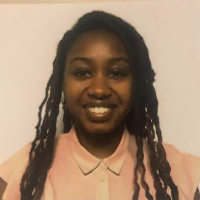
Deandra Hennemann
Practical, compassionate therapy focused on change
LMHC Florida
- Experience
- 12 years in practice
- Focus areas
- Stress, Anxiety, Parenting, Self esteem
- Approaches
- Gottman Method, Client-Centered Therapy
- Languages
- English
About Deandra
Deandra Hennemann is a Licensed Mental Health Counselor (LMHC) based in Florida with 12 years of clinical experience. She helps people facing stress, anxiety, depression, relationship strain, and parenting challenges.
Background and approach
Her approach is practical and down-to-earth, and she aims to make the first steps toward change feel manageable. Deandra uses a mix of methods to match each person's needs.
She draws from the Gottman Method when relationship patterns are a focus, and she incorporates cognitive behavioral techniques to address unhelpful thoughts and routines. She also uses client-centered and emotionally-focused ideas to create a respectful, responsive space.
Her style is interactive and warm. Sessions are conversational but goal-directed, so people leave with things to try between meetings.
She avoids stigmatizing labels and treats each person with sensitivity and respect. Deandra has worked with trauma, domestic violence survivors, and people navigating identity and multicultural concerns.
She also supports those dealing with addiction, work stress, grief, and challenges around self-esteem and life purpose. People who prefer a collaborative therapist who listens and offers clear tools often feel comfortable with her.
She will tailor the plan to your situation and focus on steps you can take right away. If you want a practical, compassionate guide through a tough season, Deandra aims to provide steady support.
Approach and online therapy options
Deandra uses a blend of methods to meet different concerns. The Gottman Method looks at patterns between people and focuses on practical skills for improving communication and reducing conflict. Cognitive Behavioral Therapy, or CBT, helps identify unhelpful thoughts and tests small behavior changes to reduce anxiety and depression. Client-Centered Therapy emphasizes listening and empathy to help people feel heard and accepted while exploring goals.Choosing the right approach is a collaborative process. The therapist will talk with each person about goals, preferences, and what has helped or not helped in the past. Together they decide which methods to try and adjust the plan as progress unfolds.
Online sessions offer flexibility and a range of formats. Video calls let the therapist and client use visual cues and longer conversations. Phone sessions work well when bandwidth is limited or for quicker check-ins. Live chat and text-based messaging can support shorter updates, coaching-style touchpoints, or ongoing reflection between sessions. These options make it easier to fit therapy into work, family, and travel schedules while keeping the focus on practical progress.
Frequently asked questions
What concerns does she help with?
What is her therapy style?
How much clinical experience does she have?
What are her credentials and where is she based?
Which languages are supported for sessions?
What session formats are offered?
How does billing and cost work?
How do I start a conversation with her?
Areas of expertise
Primary focus
Also works with
Additional focus areas
Therapeutic approaches
Experience
12+ years
Licensed in
Florida
Languages
English