
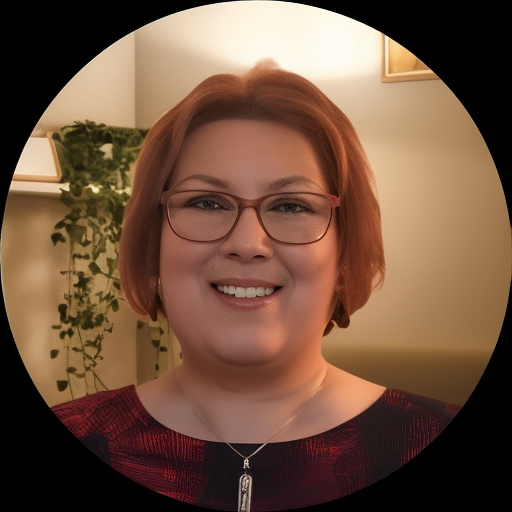
Dr. & Mrs. Yvette Sabater-Lenk
Practical, experienced LCSW for everyday struggles
LCSW Florida
- Experience
- 30 years in practice
- Focus areas
- Stress, Anxiety, Relationship, Trauma and abuse
- Approaches
- Gottman Method, Client-Centered Therapy
- Languages
- English, Spanish
About &
Dr. & Mrs.
Background and approach
Yvette Sabater-Lenk offers calm, practical help for people coping with stress, anxiety, low self-esteem, depression, anger, trauma, and relationship concerns. She writes plainly and listens carefully to understand what matters most.
Sessions are aimed at small, doable changes that fit into busy lives. She brings 30 years of experience as an LCSW, licensed in New York and Florida.
Her work blends straightforward skills training with a client-centered focus, so people leave with tools they can use right away. She often uses approaches such as the Gottman Method when relationship patterns are part of the concern.
In sessions she teaches emotion regulation and coping skills, and helps people spot unhelpful thinking that keeps problems going. She also uses behavioral strategies to improve daily functioning and reduce distress.
The emphasis is on practical steps rather than abstract theory. She has worked with people facing developmental and behavioral challenges, chronic health conditions, caregiver stress, adoption and foster care issues, and the long-term effects of trauma and abandonment.
Her background includes supporting folks with autism spectrum differences and avoidant or other personality patterns. Dr.
Sabater-Lenk offers services in English and Spanish. She collaborates with families and caregivers when it makes sense for a person’s care.
Her goal is a respectful space where people feel heard and leave with clear next steps.
Approach-driven online therapy that fits daily life
Dr. Sabater-Lenk uses methods that focus on practical change and stronger connections. The Gottman Method looks at patterns that repeat in close relationships and teaches clearer communication and conflict skills useful when relationship issues come up. Client-Centered Therapy centers the person and their goals, with the therapist listening closely and shaping each session around what the client says they need. Cognitive Behavioral Therapy (CBT) helps identify unhelpful thoughts and swap them for more useful ones, which can reduce anxiety and lift mood.Finding the right approach is a shared process. The therapist starts by learning about a person's goals, daily routine, and preferences, then suggests methods that match those needs. She will check in and adjust the plan so therapy stays practical and relevant to what the client wants to change.
Online sessions are offered by video call, phone, live chat, or text-based messaging to make care easier to fit into real life. Video calls allow face-to-face work and skill practice. Phone sessions can be a good shorter check-in or when bandwidth is limited. Chat and text messaging let people send updates or get brief support between sessions. These options help people keep therapy going around work, caregiving, and other demands.
Frequently asked questions
What concerns does she help with?
What is her therapeutic style?
How long has she been practicing?
What credentials and location apply?
Which languages are available for sessions?
Can people from other countries work together?
What formats are used for online sessions?
How are costs and starting therapy handled?
Areas of expertise
Primary focus
Also works with
Additional focus areas
Therapeutic approaches
Experience
30+ years
Licensed in
New York, Florida
Languages
English, Spanish