
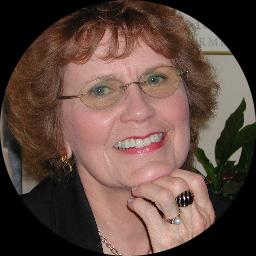
Carol Johnson
Relationship-focused therapist helping with grief and change
LMFT California
- Experience
- 27 years in practice
- Focus areas
- Relationship, Grief, Self esteem
- Approaches
- Gottman Method, Client-Centered Therapy
- Languages
- English
About Carol
Carol Johnson is a Licensed Marriage and Family Therapist (LMFT) in California with 27 years of experience. She focuses on relationships, grief, self-esteem, and coping with life changes.
Background and approach
Carol works in a straightforward, supportive way to help people find practical steps forward. Carol spent two decades directing a bereavement program after the death of her young husband, and grief work remains a central part of her practice.
That long experience shapes how she listens and responds to loss, whether the issue is recent or long-standing. She also supports people facing caregiving strain, hospice and end-of-life concerns, and cancer-related stress.
In relationship work she uses tools drawn from the Gottman Method alongside Client-Centered Therapy and Cognitive Behavioral Therapy to address communication problems, codependency, and control issues. Sessions include clear, doable techniques for talking and problem solving.
Carol aims to help people rebuild trust, strengthen connection, and improve daily interactions. Carol also helps people dealing with life transitions such as divorce or separation, postpartum depression, isolation and loneliness, and finding life purpose.
Her approach is warm and practical. She invites clients to bring real situations from home so they can practice new responses in therapy.
She offers phone, video, chat, and text-based sessions to fit different schedules. To begin, clients complete a short matching questionnaire and schedule a session based on availability.
Online approaches for relationship and grief work
Carol uses a few complementary approaches to guide online sessions. The Gottman Method offers clear communication exercises and research-based tools to help couples and partners improve how they talk and solve problems. Client-Centered Therapy focuses on listening and understanding each person's experience so goals come from what matters most to the client. Cognitive Behavioral Therapy (CBT) looks at thoughts and behaviors, offering concrete strategies to change unhelpful patterns and manage symptoms like low mood or anxiety.Choosing the right approach is a collaborative process. The therapist will discuss goals, preferences, and what feels most useful, then adapt methods over time. Clients and therapist review progress together and adjust the plan as needed so sessions stay relevant to real-life concerns.
Online formats include video calls, phone sessions, live chat, and text-based messaging. Video is useful for in-depth conversations and practicing communication skills. Phone sessions can be simpler when video is not practical. Live chat and text-based messaging work well for brief check-ins, follow-up notes, and ongoing support between longer sessions. These options make it easier to fit therapy into work, caregiving, or medical schedules and to keep momentum between appointments.
Frequently asked questions
What concerns does Carol focus on?
How would you describe her therapeutic style?
What background does she bring to therapy?
What are her credentials and location?
Which languages are offered and are international sessions available?
What session formats are used?
How is cost handled for sessions?
How do I begin working with her?
Areas of expertise
Primary focus
Additional focus areas
Therapeutic approaches
Experience
27+ years
Licensed in
California
Languages
English