
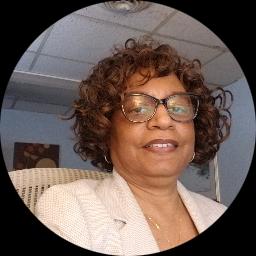
Aquita Burrus
Compassionate therapist focused on practical change
LCSW North Carolina
- Experience
- 8 years in practice
- Focus areas
- Stress, Anxiety, Trauma and abuse, Grief
- Approaches
- Gottman Method, Cognitive Behavioral Therapy (CBT)
- Languages
- English
About Aquita
Aquita Burrus is a licensed clinical social worker who blends practical therapy with attention to body, mind, and spirit. She emphasizes a respectful, nonjudgmental approach and focuses on helping people cope with stress, anxiety, trauma, grief, and depression.
Background and approach
She takes time to understand each person’s unique situation and values. Sessions look at relationships, daily routines, and sources of strength.
Treatment plans are shaped to fit individual needs rather than following one fixed path. Burrus uses a range of approaches to guide work in sessions, including cognitive behavioral techniques, mindfulness practices, and tools drawn from trauma-focused methods.
She also incorporates relational work influenced by the Gottman Method when exploring communication and connection. Her style is straightforward and compassionate.
She helps people build skills to manage panic, mood shifts, and overwhelming stress. She also supports people dealing with grief, guilt, shame, and questions about life purpose.
With eight years of clinical experience in North Carolina, Burrus combines psychotherapy and attention to spiritual beliefs when requested. She invites clients to bring their whole selves to sessions and collaborates on creative, practical steps toward change.
Approaches for online healing and connection
Gottman-informed work looks at how people communicate and reconnect. In online sessions this often means practicing conversations and learning small habits that improve understanding and reduce conflict. Cognitive Behavioral Therapy, or CBT, focuses on the links between thoughts, feelings, and actions. Online CBT typically uses practical exercises, thought records, and behavior experiments to reduce anxiety and manage mood. Dialectical Behavior Therapy, or DBT, teaches concrete skills for emotion regulation, distress tolerance, and better interpersonal interactions; online DBT sessions can include skill coaching, guided practice, and problem-solving for intense moments.Choosing the right approach is part of the process. The therapist will collaborate with clients to pick methods that match their needs, goals, and preferences. That plan can shift over time as progress is made or priorities change, and clients are invited to give feedback along the way.
Online formats include video calls, phone sessions, live chat, and text-based messaging, giving flexibility for different situations. Video is useful for face-to-face conversation and skill practice, phone calls work when bandwidth is low, live chat allows quick check-ins, and messaging supports shorter reflections between sessions. These options help fit therapy into work, caregiving, or other daily routines while keeping a steady path toward change.
Frequently asked questions
What issues can she help with?
What is her therapeutic style?
What experience does she bring?
What are her credentials and location?
Which languages are supported?
What session formats are available?
How is cost handled?
How do I begin working with her?
Areas of expertise
Additional focus areas
Therapeutic approaches
Experience
8+ years
Licensed in
North Carolina
Languages
English