
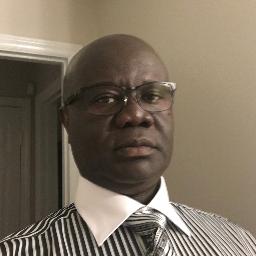
Dr. Agyenim Akuamoah-Boateng
Experienced LCMHC helping with trauma and addiction
LCMHC North Carolina
- Experience
- 23 years in practice
- Focus areas
- Stress, Anxiety, Addictions, Trauma and abuse
- Approaches
- Gottman Method, Acceptance and Commitment Therapy (ACT)
- Languages
- English
About Agyenim
Dr. Agyenim Akuamoah-Boateng is a Licensed Clinical Mental Health Counselor (LCMHC) practicing in North Carolina with 23 years of experience.
Background and approach
He has worked in mental health and substance use settings since 1998 and has been in independent practice since 2001. He helps people facing stress, anxiety, depression, trauma, and addiction concerns.
Sessions are straightforward and goal-focused. He blends approaches that fit each person’s needs.
He uses Acceptance and Commitment Therapy to help people accept difficult feelings while taking steps toward valued goals. He draws on Cognitive Behavioral Therapy to spot and change unhelpful thinking and Client-Centered methods to keep sessions collaborative and respectful.
Dr. Akuamoah-Boateng has particular experience with co-occurring medical, mental health, and substance use challenges.
He has provided recovery skills training for people working toward abstinence from alcohol, prescription, or illicit drugs. He also addresses relationship and intimacy-related concerns, grief, sleep problems, anger, and career stress.
In sessions he focuses on practical strategies and small, achievable steps. People can expect direct conversation about coping tools, communication patterns, and concrete plans to address problems.
He supports work on attachment issues, codependency, body image, and caregiver stress. He works with adults across a broad range of life challenges.
Sessions are available in English and offered through a mix of online formats to fit different schedules and needs. To begin, a short matching questionnaire helps pair someone with the right scheduling option.
Approaches that translate well to online work
Acceptance and Commitment Therapy (ACT) encourages people to notice and accept difficult thoughts and feelings while taking committed actions toward what matters to them. It can help with anxiety, depression, trauma reactions, and habit change. Cognitive Behavioral Therapy (CBT) focuses on identifying unhelpful thoughts and behaviors and practicing new skills to reduce symptoms and improve daily functioning. It suits worries, sleep problems, and low mood. Attachment-Based Therapy looks at relationship patterns that shape how people connect and respond to others and can guide work on intimacy, trust, and communication.Choosing the right approach is a shared process. The therapist will talk with each person about their goals, values, and what they hope to change. Together they decide which methods to try and adjust the plan as progress is made.
Online sessions offer flexibility and practicality. Video calls let people work face-to-face from different locations, phone sessions are useful for lower bandwidth or when not using video, live chat is good for quick check-ins or focused skill practice, and text messaging supports ongoing reminders and short updates between sessions. These options make it easier to fit therapy into work, caregiving, or travel schedules while keeping the work focused on skills and progress.
Frequently asked questions
What concerns does he help with?
What is his therapeutic style?
How much experience does he have?
Where is he licensed and located?
Which languages are supported?
What session formats are offered?
How is cost handled?
How do I get started?
Areas of expertise
Also works with
Additional focus areas
Therapeutic approaches
Experience
23+ years
Licensed in
North Carolina
Languages
English