
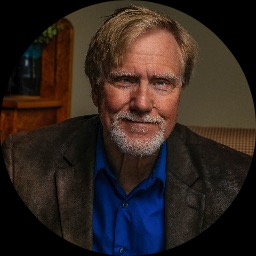
Wesley Hirst
Compassionate counselor focused on practical change
LPC Missouri
- Experience
- 25 years in practice
- Focus areas
- Stress, Anxiety, Relationship, Trauma and abuse
- Approaches
- Gottman Method, Acceptance and Commitment Therapy (ACT)
- Languages
- English
About Wesley
Wesley Hirst offers a calm, straightforward place for people feeling overwhelmed by stress, anxiety, grief, depression, or life changes. He writes plainly and listens carefully to understand each person's story before suggesting a path forward.
Background and approach
Wesley brings 25 years as a licensed professional counselor, LPC, to sessions in Missouri and focuses on practical skills people can use between meetings. He uses approaches like the Gottman Method to address relationship patterns, Acceptance and Commitment Therapy to align actions with values, and Cognitive Behavioral Therapy to shift unhelpful thoughts and habits.
Wesley also draws on Dialectical Behavior Therapy and existential ideas when those tools fit what a person needs. Sessions tend to be conversational and goal-oriented, with room for emotion and reflection.
Wesley describes himself as someone who has lived many of the roles clients bring up - child, sibling, spouse, parent, employee, and employer - and he uses that life experience to relate to real-world problems.
He aims to create a respectful, nonjudgmental atmosphere so people can speak honestly about hard topics like trauma, addiction, parenting strain, intimacy issues, or panic attacks. Outside of work he enjoys camping, backpacking, biking, music, and photography, and he mentions being a pet lover who notices local wildlife.
Those interests shape his relaxed, down-to-earth style in sessions. To begin, Wesley asks about a person's current struggles, goals, and daily life, then tailors approaches and exercises that fit their situation.
He emphasizes trust and steady progress rather than quick fixes.
How therapeutic approaches translate to online care
Wesley uses the Gottman Method to look at how people interact and communicate, focusing on patterns that help or hurt relationships and offering concrete ways to change those patterns. Acceptance and Commitment Therapy, or ACT, helps people clarify what matters to them and take small actions that align with those values even when emotions are strong. Cognitive Behavioral Therapy, or CBT, focuses on identifying unhelpful thoughts and testing new behaviors to reduce anxiety, depression, and panic symptoms.Choosing the right approach is a team process. Wesley will talk with each person about goals, daily life, and what has or hasn’t worked before. Together they decide which techniques to try first and adjust the plan as progress is made, keeping sessions practical and focused on real-life change.
Online therapy offers several practical benefits for this work. Video calls let Wesley and a client use visual cues for communication work and skill practice. Phone sessions work well when bandwidth is low or a shorter check-in is needed. Live chat and text-based messaging make it easier to send quick updates, try short exercises between meetings, or maintain contact when schedules are tight. These options help fit therapy into busy lives while keeping the focus on useful tools and steady progress.
Frequently asked questions
What kinds of concerns does Wesley work on?
What is his general therapy style?
How long has he practiced counseling?
Where is he based and what credential does he hold?
Which languages are supported for sessions?
What session formats are offered?
How is cost handled for sessions?
What is the first step to begin working together?
Areas of expertise
Primary focus
Also works with
Additional focus areas
Therapeutic approaches
Experience
25+ years
Licensed in
Missouri
Languages
English