
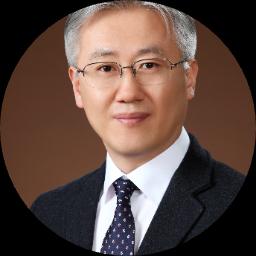
Dr. Sung Ho Kim
Experienced psychoanalyst blending insight and practical tools
NY Psychoanalyst New York
- Experience
- 30 years in practice
- Focus areas
- Stress, Anxiety, Relationship, Trauma and abuse
- Approaches
- Gottman Method, Acceptance and Commitment Therapy (ACT)
- Languages
- English, Korean
About Sung
Dr. Sung Ho Kim welcomes people who are feeling overwhelmed by stress, anxiety, depression, grief, or life changes.
Background and approach
He provides calm, steady support so people can talk through hard moments and find clearer ways forward. Sessions are offered in English and Korean to match cultural and personal needs.
He draws on a mix of approaches to suit each person rather than one fixed method. That can mean focusing on thoughts and behaviors, exploring attachment patterns from early relationships, or using tools to accept difficult feelings while committing to valued actions.
He emphasizes practical skills alongside understanding the deeper roots of problems. Over 30 years in New York, he has worked with people facing trauma and abuse, relationship concerns, chronic illness, caregiving stress, adoption and foster care issues, and aging-related questions.
He also addresses struggles such as body image, codependency, commitment worries, and social anxiety. The practice aims to meet the whole person, not just a single symptom.
In sessions he helps clients build coping strategies, strengthen emotional resilience, and improve communication. Conversations focus on what changes feel realistic and helpful in daily life.
He supports gradual steps toward clearer goals and better functioning. People say the work is a blend of talking, learning new skills, and rethinking patterns that get in the way.
His background as a New York psychoanalyst informs deeper conversations, while other methods provide concrete tools for coping and change.
Approaches that translate well to online care
Acceptance and Commitment Therapy (ACT) focuses on noticing thoughts and feelings without getting stuck, then choosing actions that reflect personal values; it helps with anxiety, depression, and life transitions. Attachment-Based Therapy looks at how early relationship patterns shape current feelings and reactions, which can improve how people relate and connect. Cognitive Behavioral Therapy (CBT) teaches practical steps to change unhelpful thoughts and behaviors, often giving simple exercises to use between sessions.Finding the right approach is part of the work. The therapist will talk with each person about their goals and preferences, then pick methods to try together. That collaborative process makes it easier to adjust course if something isn't working and to combine insight and skill-building as needed.
Online therapy offers several practical benefits. Video calls let people see facial cues and have deeper conversations. Phone sessions can be easier when bandwidth or screen time is limited. Live chat or text-based messaging work well for quick check-ins, short coaching, or when writing helps people process feelings. These formats make it simpler to fit therapy around work, caregiving, travel, or different time zones while keeping continuity of care.
Frequently asked questions
What kinds of concerns does he help with?
What is his therapeutic style?
How much clinical experience does he have?
What credentials and location are listed?
Which languages are supported and are international clients possible?
Which session formats are available?
How does payment and cost work?
What should I do to begin therapy?
Areas of expertise
Primary focus
Additional focus areas
Therapeutic approaches
Experience
30+ years
Licensed in
New York
Languages
English, Korean