
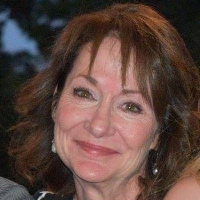
Prof. Sandra Brackenridge
Experienced LCSW blending clinical care and teaching
LCSW Texas
- Experience
- 31 years in practice
- Focus areas
- Stress, Anxiety, Relationship, Grief
- Approaches
- Gottman Method, Attachment-Based Therapy
- Languages
- English
About Sandra
Prof. Sandra Brackenridge brings more than three decades of clinical and teaching experience to her practice.
Background and approach
She spent 23 years as a professor of social work and continues to supervise clinicians working toward their clinical licensure. Sandra uses that mix of teaching, supervision, and hands-on therapy to guide people through hard moments with steady, clear support.
She has a long history of work with grief and bereavement and has written and presented on those topics. Much of her research and writing also focuses on mental health in health care settings, including the stress on veterinary professionals.
Sandra understands how workplace demands can lead to burnout and compassion fatigue. Her background includes responding to mental health needs after natural disasters and during widespread crises.
She has worked with people affected by hurricanes and the recent pandemic, and she has published on these areas. That experience informs her approach to coping with sudden change and loss.
Sandra combines several therapeutic approaches in her work, including the Gottman Method, attachment-based ideas, and client-centered techniques. In sessions she pays attention to relationships, communication patterns, and personal meaning, and she helps people try different ways of responding to stress and conflict.
People who contact her often want help with anxiety, depression, relationship strain, grief, caregiving stress, addiction concerns, life transitions, or work-related mental health. She offers calm, straightforward guidance and aims to tailor the process to each person's needs.
How therapeutic approaches translate to online care
Prof. Sandra Brackenridge uses the Gottman Method to look at communication and interaction patterns and to help people learn specific skills for handling conflict and rebuilding connection. Attachment-based ideas are used to notice how early relationship patterns influence current reactions and to build more supported ways of relating. Client-centered therapy emphasizes respectful listening and working at each person's pace to set goals and choose next steps.Finding the right combination of methods is part of the work. The therapist will collaborate with each person to decide which approaches fit their goals, needs, and preferences. That collaborative planning helps keep sessions focused and relevant as circumstances change.
Online therapy offers practical flexibility. Video calls let the therapist and client see nonverbal cues and practice new communication skills in real time. Phone sessions can be easier when bandwidth is limited or for shorter check-ins. Live chat and text-based messaging allow brief updates, follow-ups, or scheduling without a full session, and they can fit around work, caregiving, or travel. These options make it simpler to maintain continuity of care and to integrate therapy into a busy life.
Frequently asked questions
What kinds of concerns does she help with?
What is her therapeutic style like?
How much clinical experience does she have?
Where is she based and what credentials does she hold?
Can people outside the United States work with her?
What session formats are available?
How does payment and cost work?
How do I begin working with her?
Areas of expertise
Primary focus
Also works with
Additional focus areas
Therapeutic approaches
Experience
31+ years
Licensed in
Texas
Languages
English