
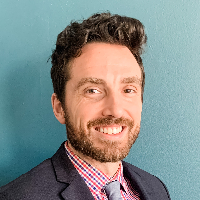
Michael Maddock
Compassionate clinician for life transitions
LMHC, LPC Pennsylvania
- Experience
- 15 years in practice
- Focus areas
- Stress, Anxiety, Relationship, Family
- Approaches
- Gottman Method, Client-Centered Therapy
- Languages
- English
About Michael
Michael Maddock is a licensed clinician with 15 years of experience helping people manage stress, anxiety, depression, grief, trauma, and relationship concerns. He holds LMHC and LPC credentials and practices from Pennsylvania.
Background and approach
He offers online options and works with individual adults on issues like intimacy, parenting strain, ADHD, and life transitions. He focuses on building a practical working relationship where goals are clear and progress is measurable.
Sessions emphasize straightforward conversation, concrete skills, and steps people can try between meetings. He uses a mix of approaches to match what each person needs rather than a one-size-fits-all plan.
Michael draws on Cognitive Behavioral Therapy to spot unhelpful thinking and develop coping strategies. He also uses the Gottman Method tools when relationship patterns and communication are central concerns.
Client-Centered Therapy informs his approach by keeping the person’s priorities at the center of planning. His background includes work across clinical settings and roles that keep him connected to assessment tools and current treatment research.
That practical experience informs how he frames goals and measures progress in therapy. Sessions aim to feel collaborative and down-to-earth.
Michael helps people sort priorities, reduce overwhelm, and practice new ways of relating to themselves and others. He guides short-term coping work as well as longer-term change, depending on what the person hopes to achieve.
Approaches for online therapy and relationship work
Michael uses Cognitive Behavioral Therapy to help people notice thinking patterns that lead to distress and to practice new coping strategies that change reactions. CBT is useful for anxiety, depression, and problems that respond to skill-building around thoughts and behaviors.He also incorporates the Gottman Method when communication patterns and relationship dynamics are central. Those tools focus on improving communication, reducing conflict cycles, and building better day-to-day connection skills.
Finding the right approach is part of the process. Michael works collaboratively to choose methods that match a person’s goals, preferences, and the issues at hand. That might mean focusing on short-term coping skills, relationship tools, or deeper exploration depending on what is needed.
Online therapy options include video calls, phone sessions, live chat, and text-based messaging. Video calls allow more face-to-face connection, phone sessions work well when bandwidth is limited, live chat or messaging can fit into tight schedules, and text can be useful for brief check-ins or ongoing support. These formats make it easier to keep regular sessions and practice new skills between meetings.
Frequently asked questions
What concerns does he address?
What is his therapeutic style?
What experience does he bring?
What credentials and location are listed?
Which languages and international options are offered?
How are sessions delivered?
How does pricing work?
What are the first steps to begin?
Areas of expertise
Primary focus
Also works with
Additional focus areas
Therapeutic approaches
Experience
15+ years
Licensed in
Pennsylvania, Florida
Languages
English