
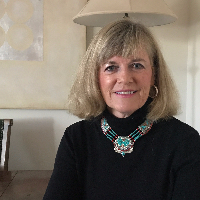
Dr. Maureen Christensen
Practical relationship and behavior-focused therapy
LMFT Nevada
- Experience
- 34 years in practice
- Focus areas
- Stress, Anxiety, Addictions, Relationship
- Approaches
- Gottman Method, Client-Centered Therapy
- Languages
- English
About Maureen
Dr. Maureen Christensen works from approaches that emphasize practical change and stronger relationships.
Background and approach
She draws on methods such as the Gottman Method, cognitive behavioral strategies, and emotionally-focused work to help people move past stuck patterns. Her tone is direct but warm, and she aims to teach tools clients can use after therapy ends.
She has 34 years of clinical experience and holds a Licensed Marriage and Family Therapist credential. Dr.
Christensen trained in marriage and family therapy and also completed a PhD in Health and Human Services. That background informs how she blends relationship-focused work with skills for mood and behavior change.
In sessions she helps people challenge negative thoughts, practice new ways of communicating, and rebuild connection after betrayal or loss. She uses mindfulness and motivational approaches to support coping with stress, grief, and life transitions.
Practical skill-building is a consistent feature of her work, so sessions often include concrete exercises and homework to try between appointments. Dr.
Christensen addresses a wide range of concerns including anxiety, depression, trauma and abuse, addiction, relationship and intimacy issues, anger, and self-esteem. She also works with issues such as abandonment, codependency, blended family challenges, and end-of-life or hospice related counseling.
People who choose her can expect a structured, collaborative process that balances direct feedback with empathy. The focus is on small, steady steps that lead to clearer thinking, better communication, and more reliable coping strategies.
Therapeutic approaches and how they work online
Dr. Christensen uses a mix of relationship-focused and skills-based approaches. The Gottman Method emphasizes building better communication, reducing conflict, and strengthening connection, which can be useful for couples or partners working through trust and intimacy problems. Cognitive Behavioral Therapy, or CBT, helps people identify and change unhelpful thoughts and behaviors, making it useful for anxiety, depression, and stress management.She also integrates client-centered principles, which prioritize the person's perspective and pace. Finding the right approach is a collaborative process: the therapist will listen to your goals and preferences, explain options, and together decide which methods to try first. Plans can shift as needs change, so the work stays flexible and focused on measurable steps.
Online therapy offers practical advantages for people with busy lives. Video calls allow face-to-face interaction for communication skills work and emotionally focused conversations. Phone sessions can be a good fit when bandwidth is low or when a shorter check-in is needed. Live chat and text-based messaging support on-the-go check-ins, homework follow-up, or brief coaching between sessions. These options make it easier to keep continuity and apply new skills in day-to-day situations.
Frequently asked questions
What kinds of concerns does she help with?
What is her therapeutic style like?
How much clinical experience does she have?
What credentials and location are on file?
Which languages are supported for sessions?
Are sessions offered online or in different formats?
How are costs and subscriptions handled?
What do I do to begin working together?
Areas of expertise
Primary focus
Also works with
Additional focus areas
Therapeutic approaches
Experience
34+ years
Licensed in
Arizona, Nevada
Languages
English