
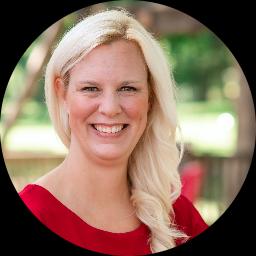
Jacqueline Rafter
Practical, compassionate therapy for relationship and trauma concerns
LCSW, LMSW Michigan
- Experience
- 10 years in practice
- Focus areas
- LGBT, Relationship, Trauma and abuse
- Approaches
- Gottman Method, Attachment-Based Therapy
- Languages
- English
About Jacqueline
Jacqueline Rafter is a licensed clinical social worker with ten years of experience helping people navigate relationship pain, trauma, anxiety, and life changes. She holds LCSW and LMSW credentials and practices from Michigan, combining practical skills with a direct, warm approach to care.
Background and approach
Jacqueline focuses on clear, manageable steps people can use right away. Her work covers a broad range of concerns.
She helps people who struggle with low self-esteem, people-pleasing, ADHD, anger, and stress. She also supports those coping with traumatic relationships, emotional or sexual abuse, chronic illness or pain, and complicated family dynamics.
Jacqueline uses a mix of approaches to match each person's needs. She draws from Eye Movement Desensitization and Reprocessing, cognitive behavioral techniques, attachment-centered ideas, and client-centered conversations.
Sessions often include skill teaching for handling strong emotions and everyday challenges. Her style is warm, non-judgmental, interactive, and direct.
She aims to create a respectful space where people can talk frankly and practice new ways of responding. Jacqueline tailors treatment plans to each person’s history and goals.
She sees online clients from Michigan and notes licensure in Michigan, Indiana, and California. Session times are typically Monday through Friday, early morning to mid-afternoon Eastern Time, with some evenings on Tuesdays and Thursdays.
People who want to begin are encouraged to take the first step toward change and reach out for support.
Approaches and how online work supports change
Jacqueline uses the Gottman Method to help people understand interaction patterns and improve communication and connection. The Gottman-focused work looks at how partners relate, teaches practical skills for difficult moments, and reduces harmful cycles. She also draws on Attachment-Based Therapy to explore early relationship patterns that affect current trust and closeness. This approach helps people notice emotional reactions and build more supported ways of relating. Cognitive Behavioral Therapy is used to identify unhelpful thinking and create small experiments to change behavior and mood. CBT is practical and often focuses on concrete skill building for anxiety, stress, and anger. Choosing the right approach is collaborative. Jacqueline will discuss goals and preferences and adjust techniques as you go. Together she and the client decide which methods to try and when to shift focus. Online formats offer flexibility and practical benefits. Video calls allow face-to-face conversation and skill practice. Phone sessions can work when bandwidth is limited or a brief check-in is needed. Live chat and text messaging provide shorter, on-the-go support and can be useful for homework, check-ins, or when typing feels easier than speaking. These options make it easier to fit therapy into a busy life while still using evidence-informed tools to address relationship, trauma, and emotional concerns.Frequently asked questions
What kinds of concerns does Jacqueline address?
What is her therapeutic style like?
How much experience does she have?
What credentials and location are listed for this therapist?
Which languages and international availability are supported?
What session formats are offered?
How are costs and subscriptions handled?
How do I begin working with her?
Areas of expertise
Primary focus
Also works with
Additional focus areas
Therapeutic approaches
Experience
10+ years
Licensed in
Michigan, Indiana, California
Languages
English