
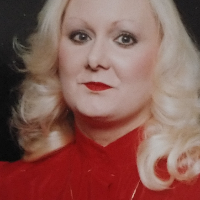
Gwendolyn Downing
Compassionate counselor focused on practical change
LPC Alabama
- Experience
- 41 years in practice
- Focus areas
- Stress, Anxiety, Addictions, Trauma and abuse
- Approaches
- Gottman Method, Attachment-Based Therapy
- Languages
- English
About Gwendolyn
Gwendolyn Downing is a Licensed Professional Counselor (LPC) based in Alabama with four decades of experience. She focuses on helping people who are feeling overwhelmed by stress, anxiety, depression, addiction, grief, or major life changes.
Background and approach
Her work often centers on improving relationships, managing emotions, and finding practical ways to cope day to day. She draws on several therapy approaches to fit each person's situation.
That can include the Gottman Method for relationship skill-building, attachment-based ideas to understand patterns of closeness, and cognitive behavioral techniques to change unhelpful thoughts and behaviors. She also uses emotion-focused and dialectical strategies when strong feelings or self-regulation are central concerns.
Gwendolyn has worked in both public agencies and independent practice over many years. She has supported people referred through self-referral, employee assistance programs, and family court systems.
Her background includes work with depression, anxiety, addictions, trauma and abuse, and a wide range of life and family stressors. In sessions she treats each person as a unique individual with strengths to build on.
She adapts methods to match a person's goals and comfort level, and she emphasizes practical steps clients can try between meetings. Her approach aims to make progress clear and achievable.
Reaching out for help takes courage, and she approaches that process with respect and steady support. Gwendolyn encourages small changes that add up to lasting difference, and she welcomes conversations about practical options for moving forward.
Approaches that inform online care
Gottman Method focuses on concrete skills for improving communication, managing conflict, and increasing emotional connection. It offers tools people can practice between sessions to change everyday interaction patterns.Attachment-Based Therapy looks at how early and current relationship patterns shape how people relate and respond to stress. This approach helps identify recurring dynamics and develop new ways of relating that feel safer and more connected.
Cognitive Behavioral Therapy (CBT) helps people spot and change unhelpful thoughts and behaviors that fuel worry, low mood, or avoidance. It emphasizes clear, practical exercises that can be used between sessions to build new habits.
Choosing the right approach is a collaborative process. The therapist will talk with each person about goals, daily life, and what feels most helpful. Together they explore which methods to try and adjust the plan based on what’s working.
Online sessions are offered by video calls, phone, live chat, or text-based messaging to fit different schedules and needs. Video is useful when visual cues matter, phone works well when bandwidth is limited, live chat can be a shorter check-in, and messaging supports ongoing reflection. These options make it easier to fit therapy into a busy life and to continue work between meetings.
Frequently asked questions
What types of concerns can be addressed in therapy?
What is her general therapy style?
How long has she practiced counseling?
Where is she licensed and located?
Which languages are sessions offered in?
What formats are available for sessions?
How does payment and cost work?
How do I begin working with her?
Areas of expertise
Primary focus
Also works with
Additional focus areas
Therapeutic approaches
Experience
41+ years
Licensed in
Alabama
Languages
English