
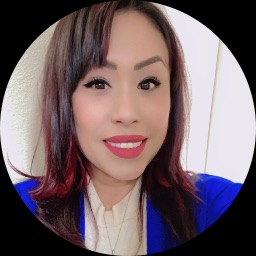
Dr. Elizabeth Marrufo-Esmele
Practical, strengths-based therapy for life challenges
LPC Texas
- Experience
- 5 years in practice
- Focus areas
- Stress, Anxiety, Addictions, Relationship
- Approaches
- Gottman Method, Client-Centered Therapy
- Languages
- English
About Elizabeth
Dr. Elizabeth Marrufo-Esmele helps people who are dealing with stress, anxiety, addiction, relationship struggles, trauma, and depression.
Background and approach
She also supports people facing grief, intimacy concerns, parenting strain, and mood challenges. She works with issues related to self-esteem, anger, and coping with big life changes.
Elizabeth is a Licensed Professional Counselor, LPC, practicing in Texas with five years of clinical experience. She approaches sessions with respect for each person’s story and strengths.
Her aim is to help people notice what already works for them and build on that foundation. In sessions she uses straightforward methods from cognitive behavioral therapy and solution-focused work to set clear, achievable goals.
She also brings client-centered care and mindfulness practices to help people slow down and respond differently to stress. The Gottman Method is one approach she applies when relationship patterns are a focus.
Therapy with her often involves practical skills you can use between sessions. That may include communication techniques, brief behavioral experiments, mood tracking, or short mindfulness exercises.
She encourages small steps that fit into everyday life. Her style is collaborative and down-to-earth.
She listens, offers tools, and checks in about what feels useful. The work is paced to the person, and goals are revisited as progress is made.
How therapeutic approaches translate to online care
Client-centered therapy focuses on listening and reflecting what matters to the person. Online sessions using this approach make space for people to tell their story and set their own goals. Cognitive Behavioral Therapy, or CBT, breaks problems into thoughts, feelings, and actions and teaches practical skills to change unhelpful patterns; online CBT often uses worksheets, brief experiments, and homework to build new habits.Finding the right approach is part of the work. The therapist will collaborate with each person to decide which methods fit their goals and daily life. That means trying techniques, checking what helps, and adjusting the plan together as progress is made.
Online formats include video calls, phone sessions, live chat, and text-based messaging. Video is good for longer sessions and when visual cues matter, while phone sessions can be easier when bandwidth is limited. Live chat and text messaging work well for quick check-ins, shorter conversations, or stepping through a coping skill between meetings. These options make it simpler to fit therapy into work, school, and family schedules and to use tools in real time where people live their daily lives.
Frequently asked questions
What concerns does this therapist address?
What is the therapist's general approach in sessions?
How much clinical experience does she have?
What credentials and location are listed?
Which languages are supported and are international clients seen?
What session formats are available?
How does pricing work?
How do I begin working with this therapist?
Areas of expertise
Primary focus
Also works with
Additional focus areas
Therapeutic approaches
Experience
5+ years
Licensed in
Texas
Languages
English