
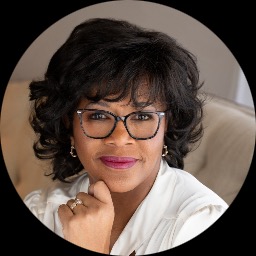
Dr. Keasha Walton-Ellis
Compassionate, practical therapy for life challenges
LMFT Nevada
- Experience
- 15 years in practice
- Focus areas
- Stress, Anxiety, Relationship, Self esteem
- Approaches
- Gottman Method, Attachment-Based Therapy
- Languages
- English
About Keasha
Dr. Keasha Walton-Ellis is a licensed marriage and family therapist with 15 years of clinical experience in Nevada.
Background and approach
She focuses on helping people who feel stuck, anxious, depressed, or unsure about their relationships. Her approach is warm and down-to-earth so newcomers can take small, manageable steps toward change.
She understands starting therapy can feel intimidating and aims to move at each person's pace. Sessions are meant to be nonjudgmental and straightforward.
She listens closely and helps clients name what feels most important right now. Dr.
Walton-Ellis uses practical tools from several therapy approaches to address stress, anxiety, mood shifts, and relationship difficulties. That includes work informed by the Gottman Method for relationship patterns and techniques from cognitive behavioral therapy to change unhelpful thinking.
Mindfulness and skills from dialectical behavior therapy are also available when they help with emotion regulation. She also supports people dealing with issues related to self-esteem, impulsivity, and complex sexual cultures such as BDSM and kink.
Other common concerns she addresses include infidelity, communication problems, isolation, and life purpose questions. Conversations focus on clear steps you can try between sessions.
Her style is collaborative and practical. She helps people set concrete goals and practices that fit daily life.
If you want a calm, steady guide through a difficult season, she offers a listening presence and clear direction.
How therapy approaches translate to online work
Dr. Walton-Ellis draws from the Gottman Method and attachment-based ideas to help clients understand relationship patterns and emotional bonds. The Gottman-informed work focuses on communication patterns, identifying cycles that cause disconnection, and practicing specific interactions to rebuild trust. Attachment-based approaches look at early relationship styles and how they shape current reactions, helping people notice needs and respond differently.She also uses client-centered principles to keep sessions focused on each person's goals and perspective. That means the therapist helps clients set the pace, offers reflective listening, and adjusts techniques to match what a person finds most useful. Finding the right mix of approaches is a collaborative process and she works with each client to choose what fits their needs and preferences.
Online formats offered include video calls, phone sessions, live chat, and text-based messaging to make therapy flexible. Video calls allow face-to-face interaction for skills practice, phone sessions can be easier when bandwidth is limited, live chat supports shorter check-ins, and messaging is useful for ongoing reflection between sessions. These options help people fit therapy into work, family life, or busy schedules while maintaining continuity of care.
Frequently asked questions
What kinds of concerns does this therapist address?
How would you describe her therapy style?
What is her professional background?
What credentials and location are listed?
Which languages are offered for sessions?
What session formats are available?
How is cost handled for therapy sessions?
What are the steps to begin working with this therapist?
Areas of expertise
Primary focus
Additional focus areas
Therapeutic approaches
Experience
15+ years
Licensed in
Nevada
Languages
English