
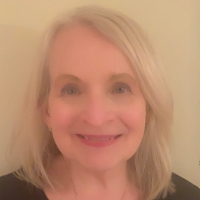
Deborah Beard
Experienced counselor focused on practical change
LCPC Illinois
- Experience
- 30 years in practice
- Focus areas
- Stress, Anxiety, Relationship, Family
- Approaches
- Gottman Method, Acceptance and Commitment Therapy (ACT)
- Languages
- English
About Deborah
Deborah Beard greets people who feel overwhelmed, stuck, or unsure how to move forward. She helps those coping with stress, anxiety, depression, grief, addiction concerns, and relationship or intimacy questions.
Background and approach
Deborah uses a warm, straightforward style to help people find clearer ways to handle daily struggles. She brings 30 years of experience as an Illinois Licensed Clinical Professional Counselor.
Deborah earned a Master of Science in Family Therapy in 1996 and has worked in public and personal mental health settings. Earlier roles in human resources and as a professor of education shape her practical approach to problem solving.
Sessions focus on strengths and small, realistic steps people can take between meetings. She draws from Cognitive Behavioral Therapy to spot and shift unhelpful thinking patterns.
Acceptance and Commitment Therapy ideas help clients clarify values and commit to actions that matter to them. Deborah also uses attachment-based ideas to explore how relationships and early experiences influence current feelings and reactions.
She incorporates client-centered listening so people feel heard before change work begins. Gottman Method concepts inform how she talks about communication and connection in close relationships.
People often come for help with sleep, eating, parenting challenges, anger, career decisions, or coping with chronic illness. Deborah pays attention to each person’s beliefs and life context, including faith when it matters to the client.
She aims to make therapy practical, respectful, and tied to everyday life.
Therapeutic approaches that translate well online
Deborah often uses Acceptance and Commitment Therapy, which focuses on clarifying what matters to a person and taking small action toward those values. ACT helps with anxiety, depression, and feeling stuck by teaching practical ways to notice thoughts and keep moving toward goals.She also draws on Attachment-Based Therapy to look at how early relationships shape current reactions and connection patterns. These discussions can help people understand triggers and build healthier ways of relating. Cognitive Behavioral Therapy is used to identify unhelpful thought patterns and test new behaviors that lead to clearer results.
Choosing an approach is a collaborative process. Deborah will talk with each person about goals, preferences, and what feels useful, then adapt methods over time. She aims to make treatment practical and tied to everyday life rather than pushing a single model.
Online sessions are offered by video calls, phone, live chat, or text-based messaging to fit varied schedules. Video works well for in-depth conversations and exercises that use visual cues. Phone sessions can be a good option when bandwidth is limited or a shorter check-in is needed. Live chat and messaging are helpful for quick updates, brief coaching, and keeping momentum between longer sessions.
Frequently asked questions
What concerns does Deborah commonly address?
What style of therapy does she use in sessions?
How much clinical experience does she have?
What are her credentials and where is she located?
Which languages are supported and can international clients connect?
What session formats are available online?
How does payment and cost work?
How do I begin working with her?
Areas of expertise
Primary focus
Also works with
Additional focus areas
Therapeutic approaches
Experience
30+ years
Licensed in
Illinois
Languages
English